Driving Innovation: A Conversation from FWD>FEST 26
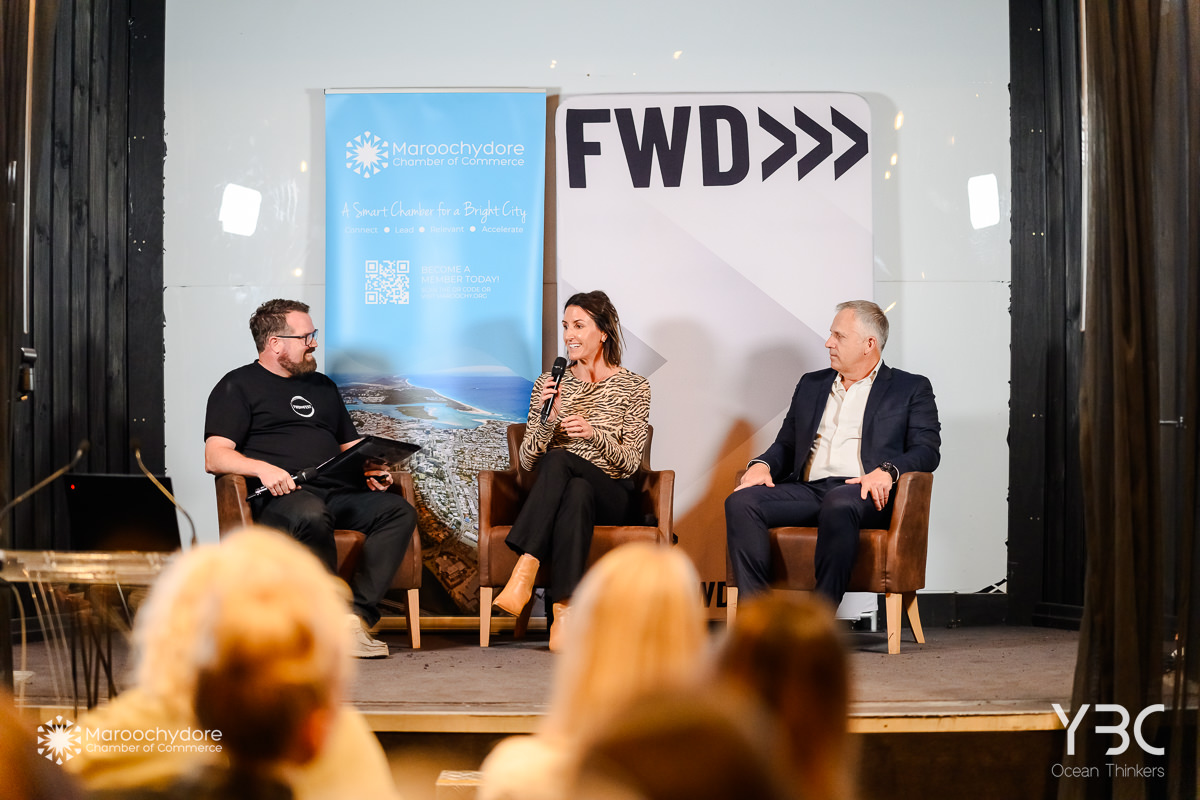
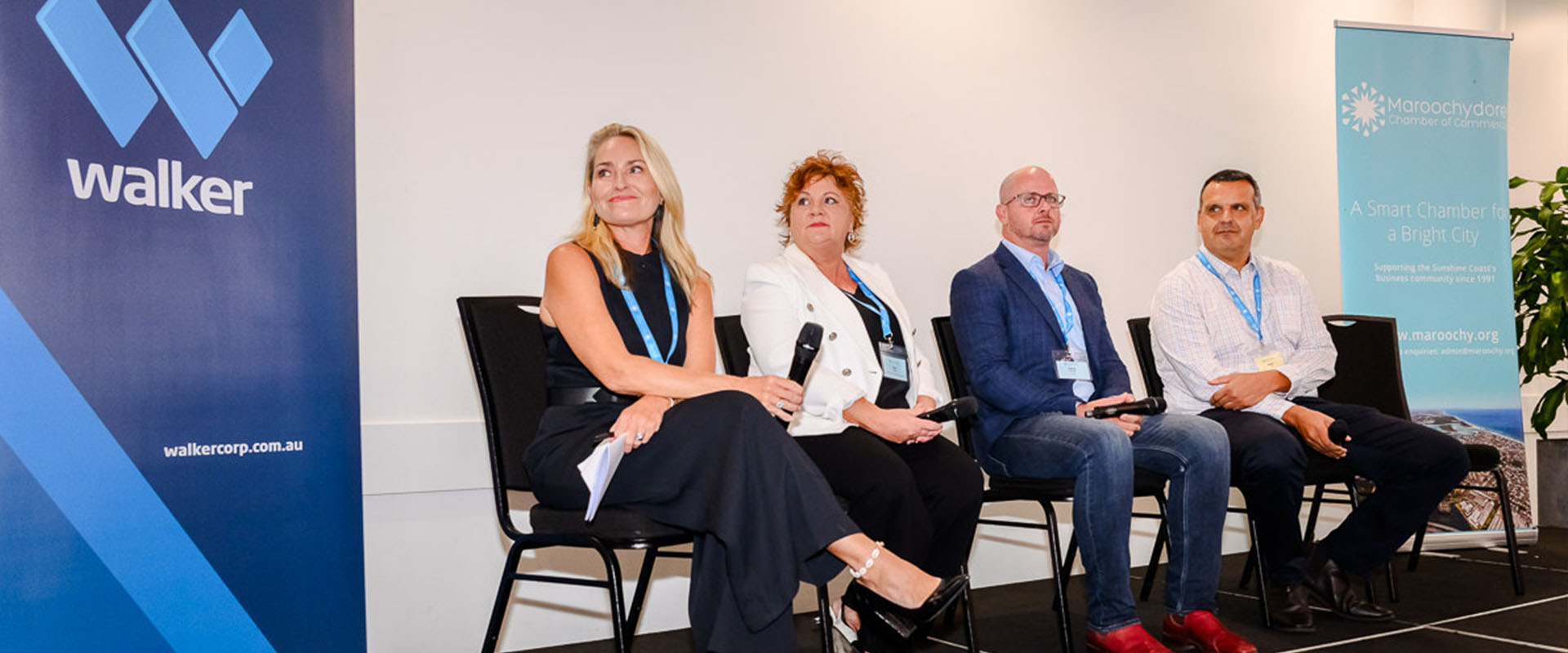
At our recent FWD>AFTER HOURS a panel of business people and education leaders came together to unpack what innovation really looks like in practice. The conversation quickly moved beyond buzzwords to something much more grounded: innovation is not about big ideas or disruption for its own sake. It is about people, behaviour and the environments we create every day.
A consistent theme throughout the discussion was that innovation starts with problems, not ideas. Rather than trying to ‘think big’, effective organisations focus on understanding where things are not working and empowering the people closest to the work to solve those challenges. In one example shared on the night, a service team reduced job times dramatically – not through expensive technology, but through a series of small, practical improvements driven by frontline staff.
That example highlighted another key point: innovation is often incremental. It shows up in small operational gains, better workflows and everyday problem solving. When teams are given permission to question, experiment and improve, those small changes compound into significant results over time.
The role of leadership in this process is not to have all the answers, but to create the conditions where innovation can happen. This includes building trust, encouraging bottom-up thinking and establishing clear rhythms where teams can reflect on their work and identify opportunities for improvement. As one panellist put it, innovation becomes powerful when it turns into a behaviour that is repeated daily.
The conversation also touched on the impact of emerging technologies like AI. While there is growing pressure for businesses to adopt these tools, the panel emphasised that technology should never come before clarity. Organisations must first understand their own processes and problems before deciding where tools like AI can genuinely add value.
A more provocative part of the discussion focused on the next generation. With students spending thousands of hours in traditional education models, questions were raised about whether those systems are truly preparing young people for modern workplaces. The panel highlighted a growing gap between academic outcomes and real-world capabilities such as problem solving, communication and personal agency.
Ultimately the conversation returned to a simple but powerful idea: innovation is not a one-off activity or a special initiative. It is a way of working. When people are supported to think, take ownership and improve what they do – day in and day out – innovation naturally follows.